

Learning how to start an Airbnb comes down to three decisions: picking a property that can perform, designing it for the guests who actually book in your market, and running it like a hospitality business. Most guides stop at rules, pricing, and day-to-day hosting. This one builds on the basics of starting a vacation rental and focuses on what happens before your first guest: smart acquisition, design that stands out in a crowded market, local permits, and knowing when to bring in professionals.
The steps below apply whether you are:
- Buying a new home, converting a second home, or upgrading a current rental
- Already hosting and wondering whether a property manager could raise your revenue
- Ready to switch vacation rental managers
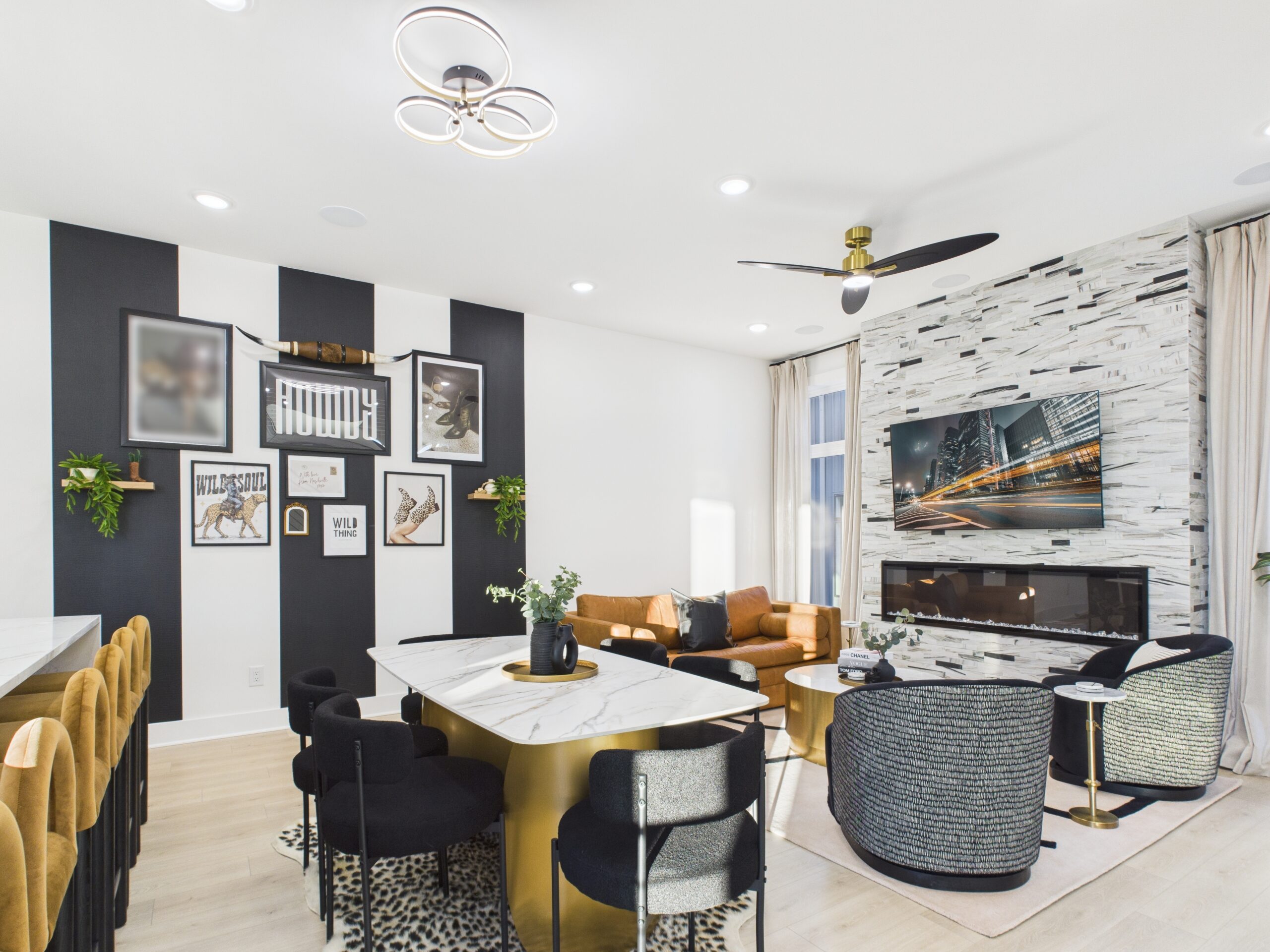
Step 1: Start With the Right Home (or the Right Plan)
The property is the foundation of your Airbnb. Before you think about decor, amenities, or which platforms to list on, confirm the home can support short-term rental success. Demand, local rules, and condition are all things to check before you buy a vacation rental, not after.
Already Own a Home?
Look at it through a rental lens, not a resale lens. Location drives demand, and so does what guests experience the moment they arrive. Ask:
- Is it near attractions, entertainment districts, business hubs, or event venues with steady demand?
- Is the neighborhood safe and easy for guests to navigate?
- Does the home need safety or accessibility upgrades before you host?
- Are short-term rentals allowed at this address and by your HOA? (See Step 3.)
Not every home is rental-ready on day one, but many can be repositioned with the right upgrades and guidance.
Don’t Own a Home Yet?
Buying the wrong property can cap your revenue before the first booking. Alpha Residential, GoodNight Stay’s in-house real estate team, takes a data-driven approach to STR acquisitions and prioritizes homes that will perform as rentals over homes chosen on personal taste. That means:
- Targeting STR-friendly locations and zoning
- Understanding local demand and booking patterns
- Choosing layouts that support higher occupancy and flexible group use
- Finding homes where design upgrades can unlock stronger performance after launch
Step 2: Match the Home to Market Demand
The key question is whether the home fits what guests in your market actually book, not what owners assume they want. Planned homes consistently outperform accidental ones.
Nationally, iGMS reported in May 2026 that demand for listings with six or more bedrooms grew more than 12%, driven by families and multigenerational groups. Distinctive, experiential stays also keep commanding premium rates.
Local demand matters just as much. In Nashville, for example, listings that sleep 8 or more guests make up 43.9% of the market, according to AirROI, so a home designed for groups competes in the city’s largest segment.
Before you commit, ask:
- Does the home sleep the right number of guests for its market?
- Are the bedroom and bathroom counts competitive with top performers nearby?
- Does the layout work for groups, families, or blended work-and-play stays?
The goal is to meet real demand without leaving revenue on the table.
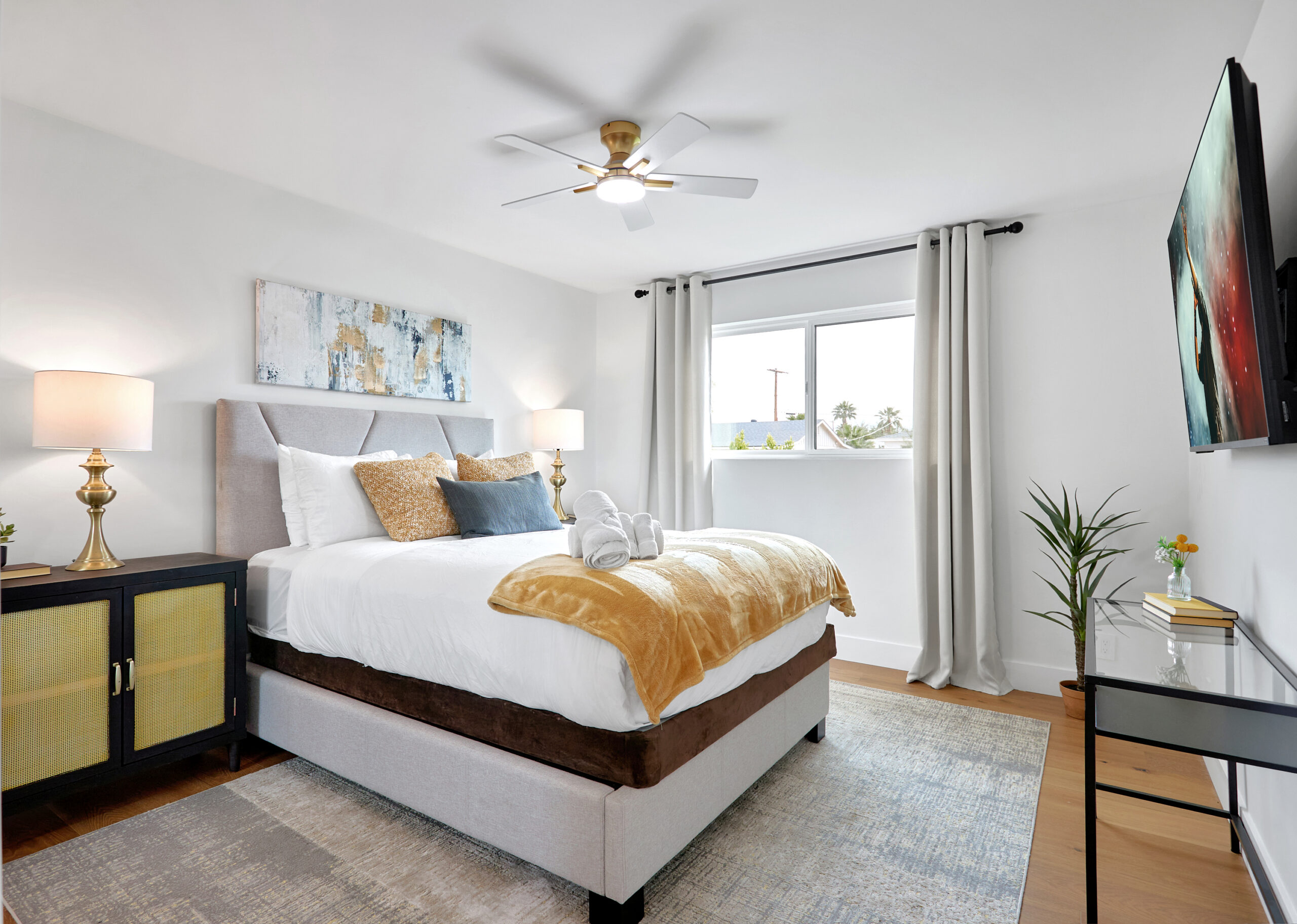
Step 3: Confirm Local Permits and Rules Before You Buy or List
Short-term rental rules are set city by city, and they can make or break a purchase. Check them before you close, not after you furnish. Confirm:
- Whether your city requires a short-term rental permit or license, and what it costs
- Which state and local tax registrations you need to collect lodging taxes
- Whether zoning or your HOA limits short-term rentals at the address
- Any neighbor notification, safety, or insurance requirements
Requirements vary more than most owners expect. In Scottsdale and Phoenix, owners need a city STR license plus an Arizona Transaction Privilege Tax (TPT) license, and Phoenix also requires certified-mail notice to neighbors and nearby HOAs (City of Phoenix). In Nashville, zoning can decide everything: new non-owner-occupied permits are only issued in certain mixed-use, commercial, and downtown districts, not most residential zones, and existing permits do not transfer when a home sells (Metro Nashville Codes).
Rules change often, so always verify current requirements with the city before you buy. GoodNight Stay and Alpha Residential help owners confirm permit eligibility and stay compliant.
Step 4: Design That Drives Bookings (Not Just Looks)
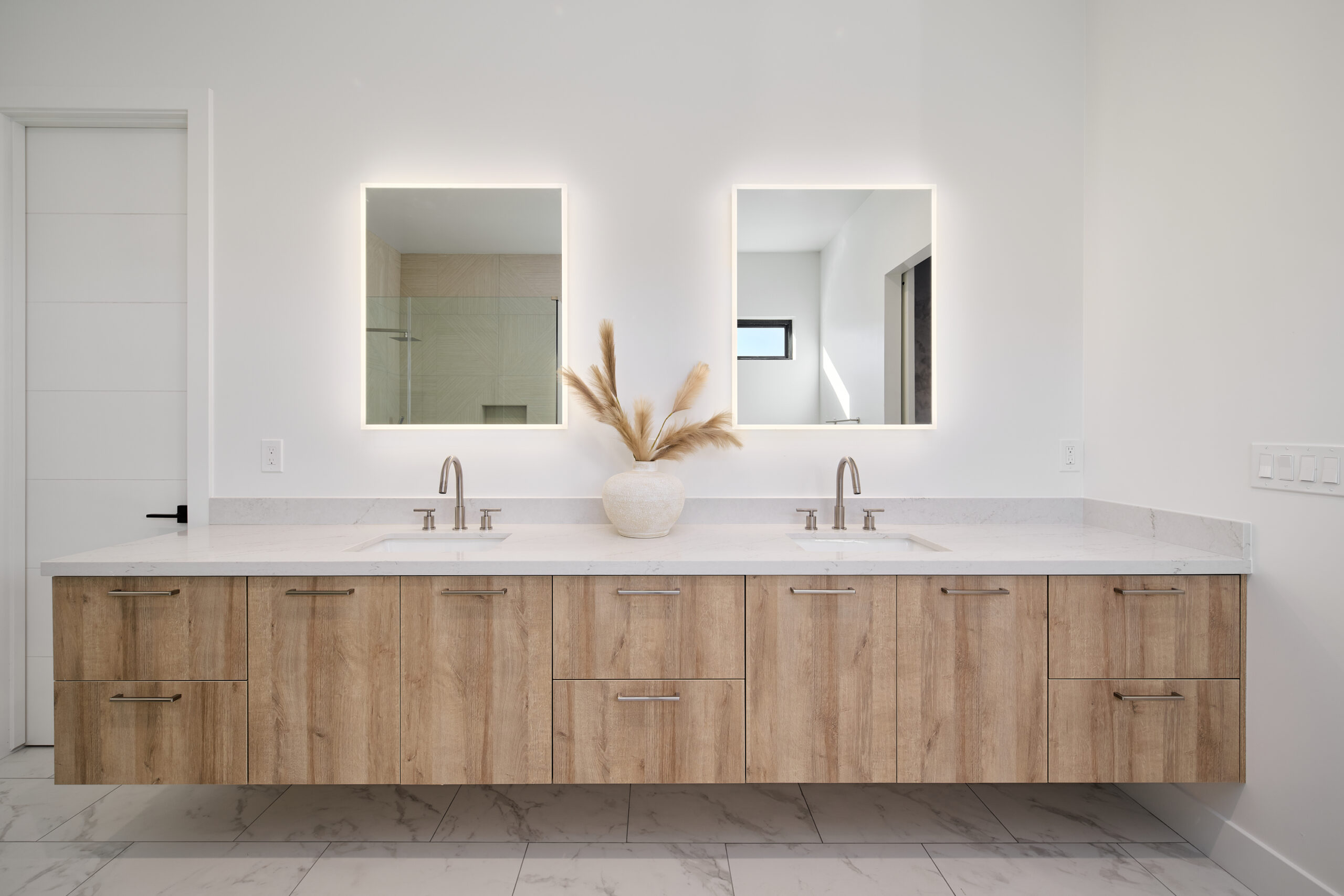
Design is one of the biggest differentiators in a crowded market. Guests are not just booking a bed; they are booking an experience, and the listing photos are where that decision gets made.
Top-performing Airbnbs balance visual appeal with operational practicality:
- Furniture durable enough for frequent turnovers
- Layouts that work for shared group spaces
- Low-maintenance, easy-to-clean finishes
- Design moments that photograph well and stand out in search results
Alpha Interiors, GoodNight Stay’s in-house STR design team, designs and furnishes homes around guest experience, durability, and revenue potential, so the result looks great in photos and holds up after hundreds of check-ins.
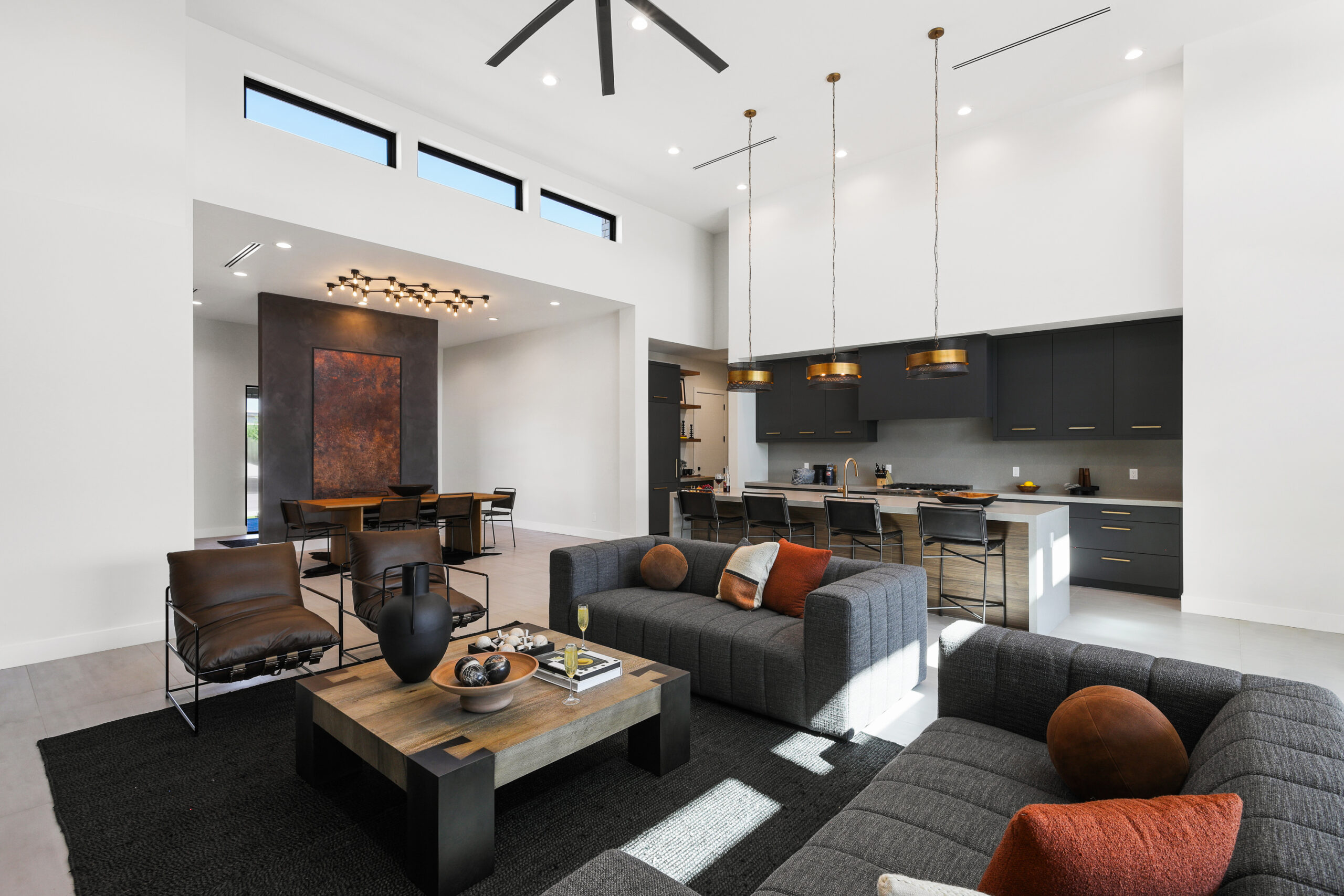
Step 5: Set the Home Up for Real Guests (Not Personal Use)
New hosts need a mindset shift: an Airbnb is a hospitality product, not a personal home.
- Remove high-value or sentimental items
- Skip overly personal decor and family photos
- Choose furnishings and finishes built for heavy use
This protects your belongings and helps guests feel at home instead of feeling like visitors in someone else’s house. Purpose-built rentals tend to perform better, have fewer issues, and deliver a smoother experience for guests and owners alike.
Step 6: Choose Amenities for Your Target Guest
Amenities should be intentional and matched to the guests you want to attract. Once the must-have essentials are covered, consider:
- Games and entertainment, such as a game room or outdoor games
- Outdoor features like pools, hot tubs, fire pits, and grills
- A dedicated workspace with fast, reliable Wi-Fi for longer stays
- Pet-friendly features
Let local data guide the bigger investments. In the Phoenix area, for example, Airbnb listings with a pool earn about three times more per year than those without, according to AirROI. For broad appeal, prioritize amenities that groups, families, and longer-stay guests will all use. The right mix supports better reviews and more repeat bookings.
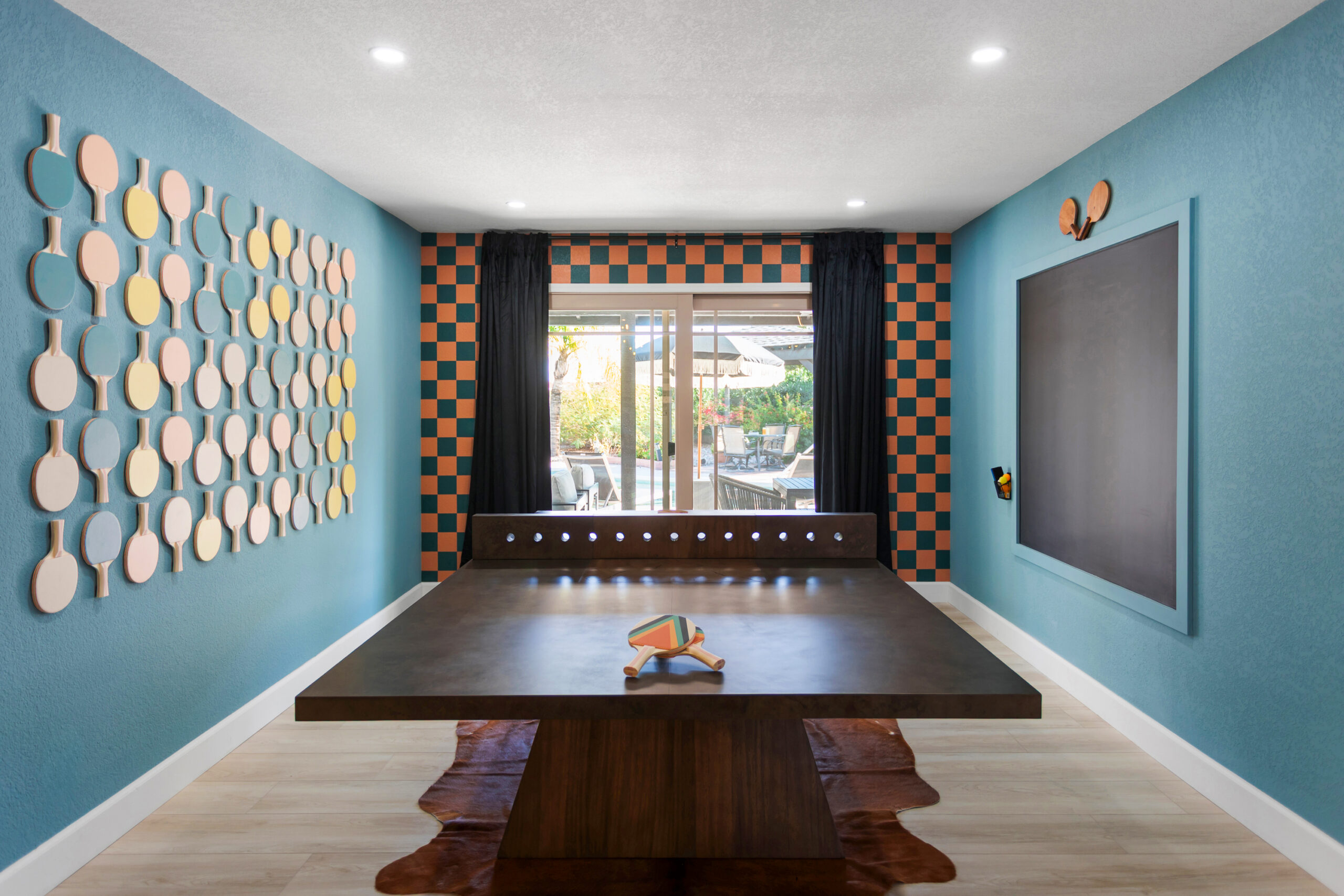
Step 7: Build Your Operations Early
A great home still needs reliable systems behind it, and this is where self-managed and professionally managed rentals tend to separate. AirROI’s 2026 market trends analysis estimates that professionally managed listings earn 20% to 30% more than self-managed ones, thanks to optimized pricing, faster guest responses, and more consistent turnovers. The same analysis finds hosts who use data-driven pricing earn 15% to 25% more than those with static rates.
Set these up before launch:
- Smart locks for easy, secure self check-in
- Dynamic, demand-based pricing instead of fixed nightly rates
- Preventative maintenance to avoid mid-stay disruptions
- A detailed cleaning checklist, whether cleaning is in-house or outsourced
Dynamic pricing matters most in seasonal markets, where demand swings with weather, holidays, and local events. These systems also protect your reviews, because operational gaps show up there fast.
Step 8: Know When to Hire (or Switch) a Property Manager
Once your home is ready, running it can become a full-time job: guest messaging, pricing, marketing, maintenance, permits, and taxes.
Signs You’re Ready to Hire a Property Manager
You don’t need to wait until you’re overwhelmed. Consider professional vacation rental management if:
- You live out of state or can’t respond to guests around the clock
- Bookings are inconsistent or your pricing strategy is unclear
- You’d rather grow your portfolio than answer late-night guest messages
- You want dynamic pricing, professional marketing, and a local maintenance network without building one yourself
Signs It’s Time to Switch Vacation Rental Management Companies
Performance problems are the clearest signal:
- Occupancy or revenue is falling without a clear explanation
- Communication is slow, inconsistent, or unclear
- Maintenance issues or guest complaints go unresolved
- Fees keep rising without better service or results
- The approach feels generic and ignores your property and market
Catching these signs it’s time to switch vacation rental managers before your next renewal or notice deadline gives you time to compare options.
What to Look For in a Short-Term Rental Property Manager
- Transparent reporting on occupancy, revenue, and expenses
- Local market knowledge, including permits and taxes, plus active dynamic pricing
- Professional photography, listing optimization, and multi-platform marketing
- Responsive guest communication and local maintenance teams
- A track record with similar homes in size, location, and guest profile
GoodNight Stay is built to be that partner in the Phoenix metro and Nashville. With Alpha Residential and Alpha Interiors under the same roof, we handle the day-to-day so owners keep the upside without the operational load.
Build a Strong Foundation for Your Airbnb
Successful Airbnbs are built on purpose, through three things done well:
- Smart property selection with Alpha Residential
- Revenue-focused design by Alpha Interiors
- Operations, compliance, and marketing through GoodNight Stay
Whether you are starting out, upgrading, or rethinking your current manager, the biggest gains come from getting the fundamentals right with partners who know your market.
Ready to see what your Scottsdale/Phoenix-area or Nashville property could earn under professional management? Request a free rental evaluation or learn more about our vacation rental management services.
Frequently Asked Questions
How do I start an Airbnb?
Start by choosing a property that fits local guest demand, then confirm permits, taxes, and HOA rules for the address. Next, design and furnish the home for durability and great photos, add amenities your target guests want, and set up pricing, cleaning, and maintenance systems before your first booking.
Do I need a permit to run an Airbnb?
In most cities, yes. Scottsdale and Phoenix require a city short-term rental license plus an Arizona TPT license. Nashville requires a Short-Term Rental Property permit, and new non-owner-occupied permits are not issued in most residential zones. Always check your city’s current rules before you buy or list.
How do I choose the right property for an Airbnb?
Look for a home near steady demand drivers like attractions, event venues, or business hubs, in a location where short-term rentals are allowed. Make sure the bedroom count, bathroom count, and layout match what guests in that market book most, and that the home can be improved with smart design upgrades.
What amenities help an Airbnb earn more?
Match amenities to your market and target guest. Outdoor features like pools and hot tubs, game rooms, dedicated workspaces with fast Wi-Fi, and pet-friendly setups are popular. In hot-weather markets like Phoenix, pool homes earn roughly three times more than non-pool homes.
Is it worth hiring an Airbnb property manager?
For many owners, yes. AirROI estimates professionally managed listings earn 20% to 30% more than self-managed ones through better pricing, faster guest responses, and consistent turnovers. A local manager is especially valuable if you live out of state or want to scale.
Frequently Asked Questions
How do I start an Airbnb, and what is the first step?
Start with the property. Check whether it sits near attractions, entertainment, business hubs, or event venues that drive steady demand. If you do not own a home yet, property selection is the most important step in how to start a vacation rental business, because a poor purchase can cap revenue before the first guest arrives.
How do I know if a home matches short-term rental market demand?
Check that it sleeps the right number of guests for its market, has a competitive bed and bath count, and has a layout that suits groups, families, or work-and-play stays. The article cites iGMS’s 2026 data showing rising demand for homes with six or more bedrooms and for unique properties.
How much does design matter when starting an Airbnb?
A lot, because guests book an experience, not just a bed. Durable furniture, layouts that flow in shared spaces, low-maintenance finishes, and features that photograph well all help a listing stand out. Alpha Interiors specializes in short-term rental design.
How should I set up my home for guests instead of personal use?
Remove high-value and sentimental items, skip family photos and overly personal decor, and choose neutral furnishings that hold up to heavy use. Match amenities to your target guest, and set up smart locks, dynamic pricing, and a detailed cleaning checklist before you launch.
When should I hire or switch an Airbnb property manager?
Consider hiring if you live out of state, cannot answer guests around the clock, or have inconsistent bookings. Consider switching if revenue is declining, communication is slow, or fees rise without better service. AirROI’s 2026 analysis, cited in the article, found professionally managed rentals consistently out-earn self-managed ones.
