

If you own a short-term rental, or you’re thinking about listing one on Airbnb, the platform can feel like it has its own language. Guest Favorite, Superhost, Essentials, Luxe, service fees. It’s a lot of terms, and Airbnb updates its rules often enough that it’s easy to fall behind.
This guide breaks down the essentials in plain language, so you understand how Airbnb actually works for property owners in 2026 and what it takes to stand out in a crowded market.
What Makes Airbnb Different From Other Booking Sites
Airbnb isn’t just a listing site. It’s a global marketplace, with more than 9 million active listings across 220+ countries and regions, run by a community of over 5 million hosts. In its most recent quarter, Airbnb reported $3.6 billion in revenue and $27.2 billion in gross booking value, up 16% year-over-year, with nights and stays booked growing 10% year-over-year.
At that scale, Airbnb isn’t just a place to list a property, it’s a marketplace that ranks and rewards listings based on guest experience, not just price. That means two nearly identical properties can perform very differently depending on their reviews, response times, and how well the listing is optimized. Understanding the programs below is what separates owners who get consistent bookings from owners who wonder why their calendar looks empty.
The Guest Favorite Badge
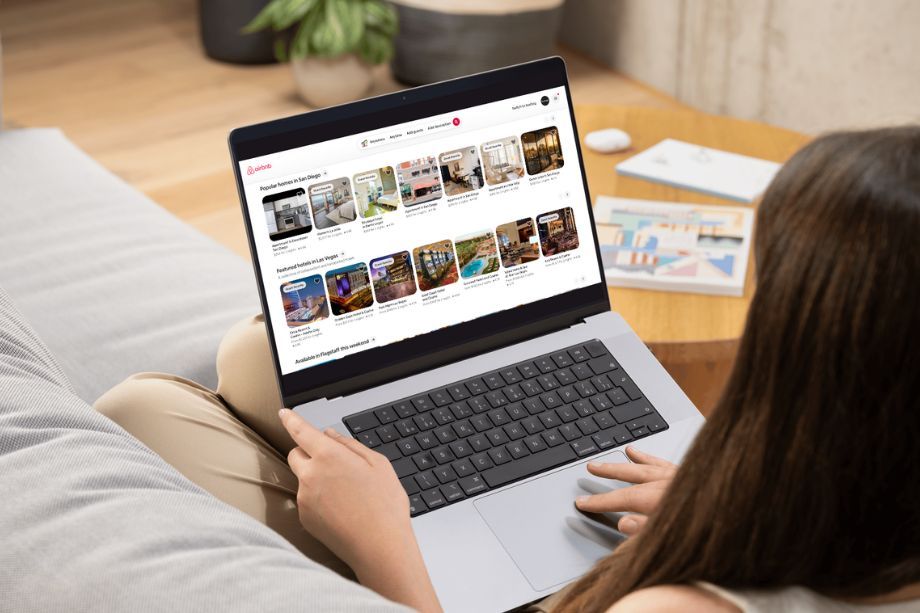
Guest Favorite is a badge Airbnb awards automatically, using AI to evaluate every listing daily based on ratings, reviews, and reliability. You don’t apply for it. It either shows up on your listing or it doesn’t.
To earn and keep it, a listing generally needs at least five guest reviews, an average rating above 4.9 stars, strong scores across categories like cleanliness, accuracy, communication, and check-in ease, along with very few cancellations or guest complaints.
Because the badge is recalculated regularly, it can appear or disappear based on your most recent reviews. A single bad stay can knock a listing out of Guest Favorite status, which is exactly why consistency matters more than ever. Listings with the badge get extra visibility in search and guests can even filter for it directly, so it’s one of the most valuable things an owner can chase.
Superhost Status
Superhost is Airbnb’s long-standing recognition program for hosts who consistently deliver a great experience. Airbnb reviews every host’s performance quarterly (January, April, July, and October) against four requirements measured over the past year:
- An overall rating of 4.8 stars or higher
- A response rate of at least 90% within 24 hours
- At least 10 completed stays, or 100 nights across at least 3 reservations
- A cancellation rate under 1%
Superhosts tend to earn noticeably more than non-Superhosts, largely because guests are more willing to book a listing that carries the badge over one that doesn’t, especially when comparing similar properties. Superhosts also get perks like priority support and an annual travel credit. The tricky part is that it’s evaluated every quarter, so one slow season of missed messages or a last-minute cancellation can cost you the badge for months.
What “Essentials” Really Means on Airbnb
If you’ve set up a listing before, you’ve probably seen “Essentials” listed as one of the options under the Amenities section, right alongside things like Wi-Fi, kitchen, and parking. Unlike Guest Favorite and Superhost, Essentials isn’t a badge you earn. It’s Airbnb’s baseline standard for what a listing needs to provide guests when you tag that amenity: clean linens, at least one towel and pillow per guest, sheets for every bed, soap or body wash, Wi-Fi, and working heating or cooling.
Think of Essentials as the floor, not the ceiling. Meeting the minimum keeps your listing compliant, but owners who consistently earn five-star reviews usually go further with thoughtful touches like blackout curtains, a good coffee maker, extra pillows, or a welcome basket. These small additions show up in reviews more often than you’d expect, and reviews are exactly what drive Guest Favorite and Superhost status in the first place.
Airbnb Luxe: The High-End Tier
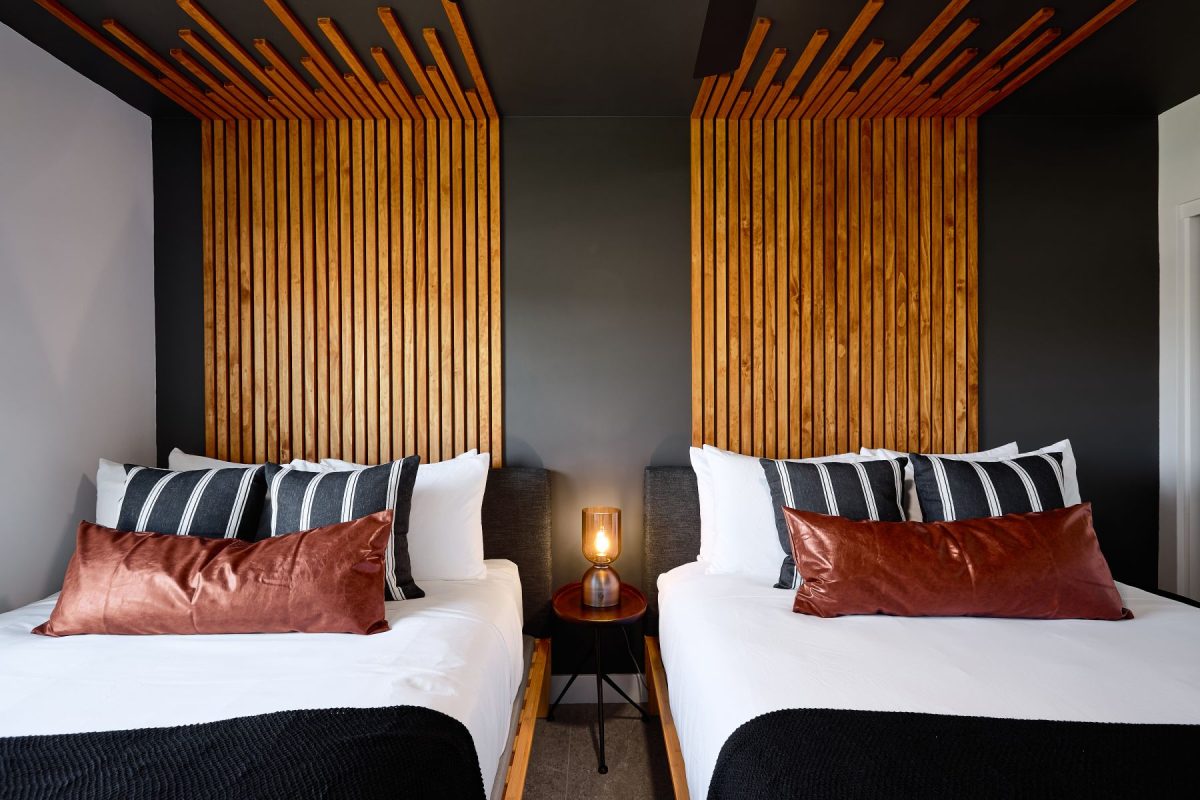
Airbnb Luxe is a curated collection of the platform’s most exceptional properties, and it works differently than a standard listing. Luxe homes are evaluated on more than 300 criteria covering design, condition, and guest-readiness, and an Airbnb consultant typically does an in-person walkthrough before a property qualifies.
Luxe listings also come with a complimentary trip designer who works with guests throughout their stay, and many properties in this tier offer added services like private chefs or housekeeping. Because the Luxe team helps manage the listing’s photos, description, and presentation, it’s a much more hands-on relationship than self-managing a standard listing. In return, owners have the opportunity to attract a higher-end guest and command higher nightly rates.
Optimizing Your Listing
Whether or not you’re chasing Guest Favorite or Superhost, a few fundamentals move the needle for almost every owner:
- Photos first. Professional, well-lit photos are consistently one of the biggest factors in whether a guest clicks on your listing at all.
- Pricing that reflects demand. Static pricing leaves money on the table during high-demand weekends and scares off guests during slow periods. Adjusting rates based on local demand keeps your calendar fuller.
- Fast, warm communication. Response time isn’t just a Superhost metric, it directly shapes how guests rate their overall experience.
- A polished, accurate description. Guests should know exactly what to expect before they book, which reduces mismatched expectations and bad reviews.
- Design that photographs and lives well. Thoughtful interior design, from layout to furnishings, tends to translate directly into better photos, better reviews, and repeat guests.
Discount Options Worth Knowing About
Airbnb gives owners several built-in ways to offer discounts, and using the right one at the right time can fill gaps in your calendar without permanently undercutting your rates.
- New listing promotion. If your listing has fewer than three bookings and Smart Pricing turned off, Airbnb lets you opt into an automatic 20% discount for your first three bookings. It’s designed to help brand-new listings get early bookings and reviews faster, and you can turn it off anytime. Airbnb’s own data shows new listings that opt into this promotion see over 70% more bookings and roughly 40% more earnings in their first three months compared to listings that don’t.
- Weekly discounts. For stays of 7 nights or more, hosts typically offer 10-20% off. This appeals to guests staying longer while cutting down on cleaning turnovers for you.
- Monthly discounts. For stays of 28 nights or more, discounts usually range from 15-30%. These attract remote workers and guests relocating temporarily, and longer stays mean fewer gaps to fill overall.
- Last-minute discounts. These automatically discount unbooked nights coming up soon, which is a useful way to avoid an empty calendar during slow weeks.
- Early bird discounts. The opposite of last-minute, these reward guests who book well in advance, which helps you lock in occupancy ahead of time.
None of these discounts are required, and you can turn any of them on or off from your pricing settings. The right mix depends on your market and how full your calendar already looks.
How Airbnb Fees Work
Airbnb is moving all hosts toward a single host-only fee model. Under this structure, hosts pay 15.5% of the booking subtotal (16% in Brazil and Mexico), and guests see one all-in price without a separate service fee tacked on at checkout. This replaces the older split-fee model, where hosts paid a smaller fee (around 3%) and guests paid a separate service fee on top, typically in the 14 to 16% range.
A few things can change what you actually pay:
- Cancellation policy. Hosts using a Super Strict cancellation policy may pay an additional fee.
- Length of stay. Longer stays, generally 28 nights or more, can qualify for reduced fees.
- Location. Fee structures can vary slightly by country.
For a $200 booking subtotal under the single-fee model, a 15.5% fee comes out to roughly $31, leaving the host with about $169 before taxes.
The Bottom Line for Owners
Airbnb rewards owners who treat their listing like a hospitality business, not a side project. That means solid reviews, quick communication, thoughtful design, and pricing that moves with demand. Hit those marks and badges like Guest Favorite and Superhost tend to follow.
Airbnb Keeps Changing, and That’s the Hard Part
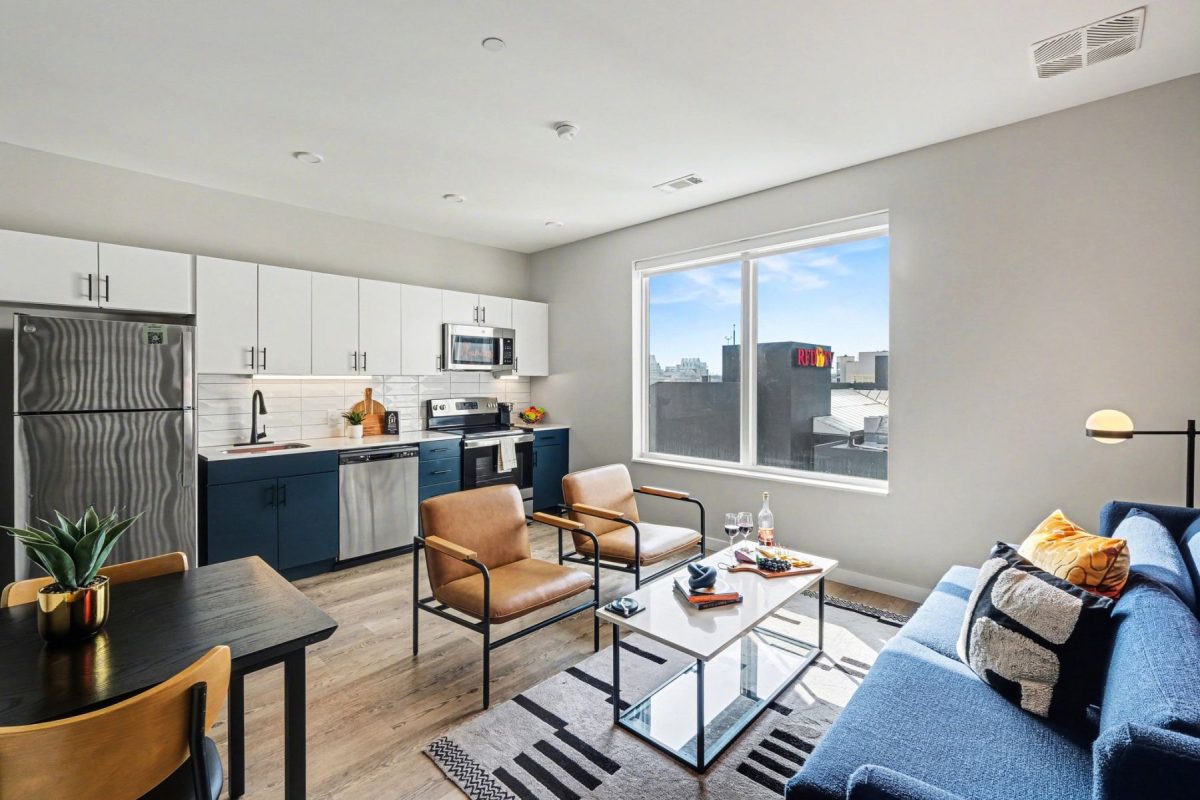
Here’s the thing about Airbnb: it doesn’t stand still. Like most OTAs, it’s constantly rolling out new features, testing pricing changes, and shifting the rules hosts are measured against. Airbnb recently announced it’s building out AI-powered tools that let guests compare listings and pricing more directly, including price-match features against hotels, on top of the fee structure changes already rolling out this year.
For an individual owner managing one or two properties, keeping up with all of this on top of actually running the property (cleaning turnovers, guest messages, maintenance, pricing) can get overwhelming fast.
That’s where we come in. At GoodNight Stay, professional management is all we do. We stay on top of every Airbnb update so you don’t have to, and our in-house design team, Alpha Interiors, helps owners create the kind of spaces that earn Guest Favorite badges and five-star reviews in the first place. If you’re ready to stop guessing and start maximizing what your property can earn, reach out to GoodNight Stay and let’s talk about what professional management could look like for you.
Frequently Asked Questions
How does Airbnb work for new short-term rental owners, and how do I become a host?
Airbnb is a marketplace with more than 9 million active listings and over 5 million hosts. To become a host, confirm permits, HOA rules, and taxes, furnish the property, publish a listing with professional photos, and set your pricing. Owners who want less daily work can use an Airbnb hosting service or management company.
What is the difference between Guest Favorite and Superhost?
Guest Favorite is awarded automatically by Airbnb and re-evaluated daily, generally requiring five or more reviews and an average rating above 4.9. Superhost is reviewed quarterly and requires a 4.8 or higher rating, a 90% response rate, at least 10 stays, and under 1% cancellations. Both boost visibility.
How much does Airbnb take from hosts?
Airbnb is moving hosts to a single host-only fee of 15.5% of the booking subtotal. On a $200 subtotal that is about $31, leaving roughly $169 before taxes, so build it into every investment projection.
What discounts should I use to ramp up a new Airbnb listing?
Airbnb can apply a new listing promotion of 20% off your first three bookings, and weekly (7+ nights) and monthly (28+ nights) discounts attract longer stays. None are required, so use them selectively instead of cutting your rate across the board.
What is Airbnb Luxe, and is it worth pursuing for an investment property?
Airbnb Luxe is a curated tier of top properties evaluated on more than 300 criteria for design, condition, and guest-readiness. It can support higher nightly rates, but the property has to meet a high standard, so purchase and design decisions matter up front. Alpha Interiors can design toward that standard.
