

If you own a short-term rental, chances are most of the conversations you have about your property revolve around leisure travelers: weekend getaways, family vacations, bachelorette parties. That focus makes sense. Leisure travel drives the bulk of industry headlines and most owners naturally market toward it.
But there’s a segment of demand that gets far less attention, even though it can be more stable, more profitable, and easier on your property than a steady stream of two-night weekend guests: corporate retreats, business groups, and extended stays.
The Overlooked Opportunity in STR
The short-term rental conversation right now is dominated by “micro-trips.” Airbnb has reported a continued rise in short stays, with guests increasingly favoring one- to four-night trips over longer vacations, and Expedia Group’s Unpack ’26 Travel Trends Report points to the same pattern of shorter, event-driven travel. As more owners and property managers chase this demand, it means more turnover, more cleanings, and more coordination just to keep calendars full.
Meanwhile, longer stays are quietly becoming a distinct and durable category of their own. Long-stay bookings of 28 nights or more have stabilized at around 2.2% of the short-term rental market, with average stays in that segment landing between 43 and 46 nights. In corporate housing specifically, the average stay is around 83 days, and the U.S. serviced apartment segment, a close proxy for this market, was valued at $13.8 billion in 2024 and is projected to grow to $44 billion by 2033.
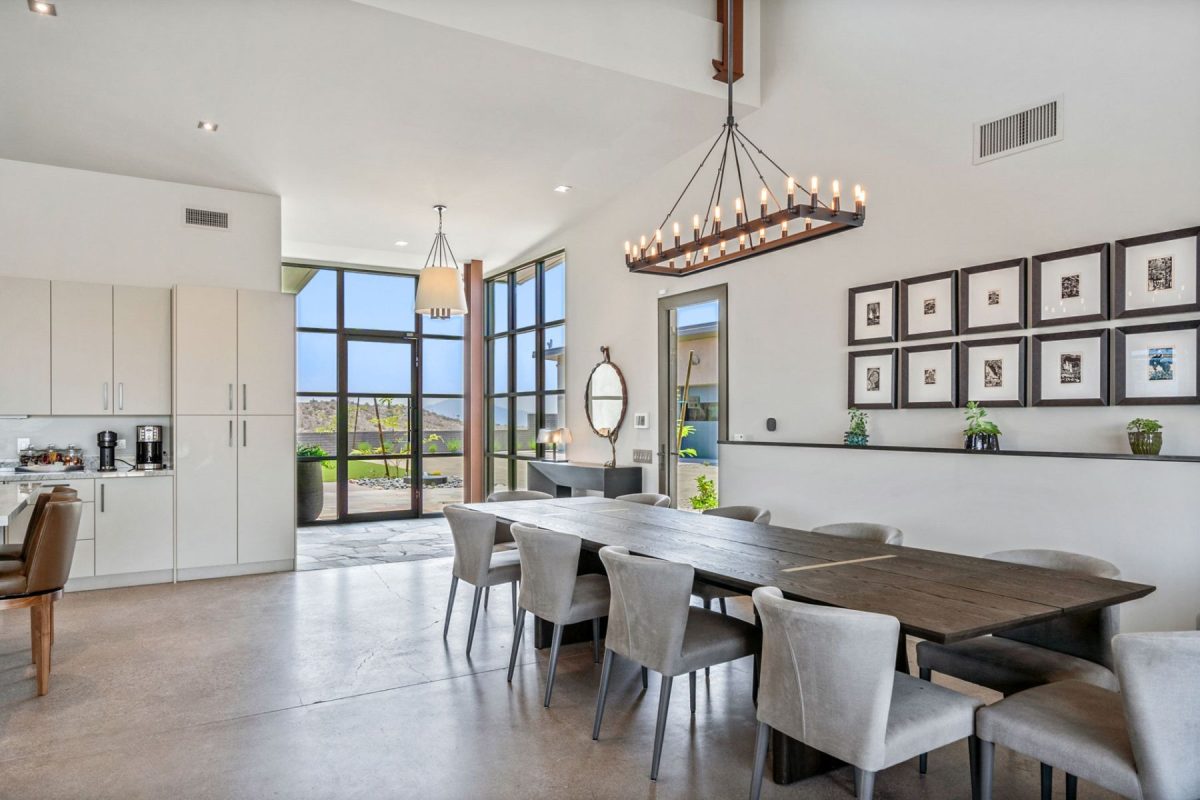
At the same time, villa and home rentals are increasingly used as an alternative to conference hotels for corporate retreats, particularly for groups of 12 or more, because they offer lower per-person costs, full control over meeting space, and an environment that feels collaborative rather than corporate. Companies are also shifting away from one large annual offsite toward smaller, more frequent retreats, which means more recurring opportunities for the right property.
Put simply: while everyone else is optimizing for the two-night guest, there’s real, growing demand from guests who want to stay for two weeks, two months, or bring a team of ten for a working retreat. Few owners are positioning their homes to capture it.
What Corporate Retreats and Extended-Stay Guests Actually Need
Corporate and extended-stay guests evaluate a property completely differently than a weekend traveler does. A few nice photos and a great location won’t close the deal on their own. These guests are thinking about livability and functionality over weeks or months, or about hosting a working group, not just sleeping somewhere.
Here’s what tends to matter most:
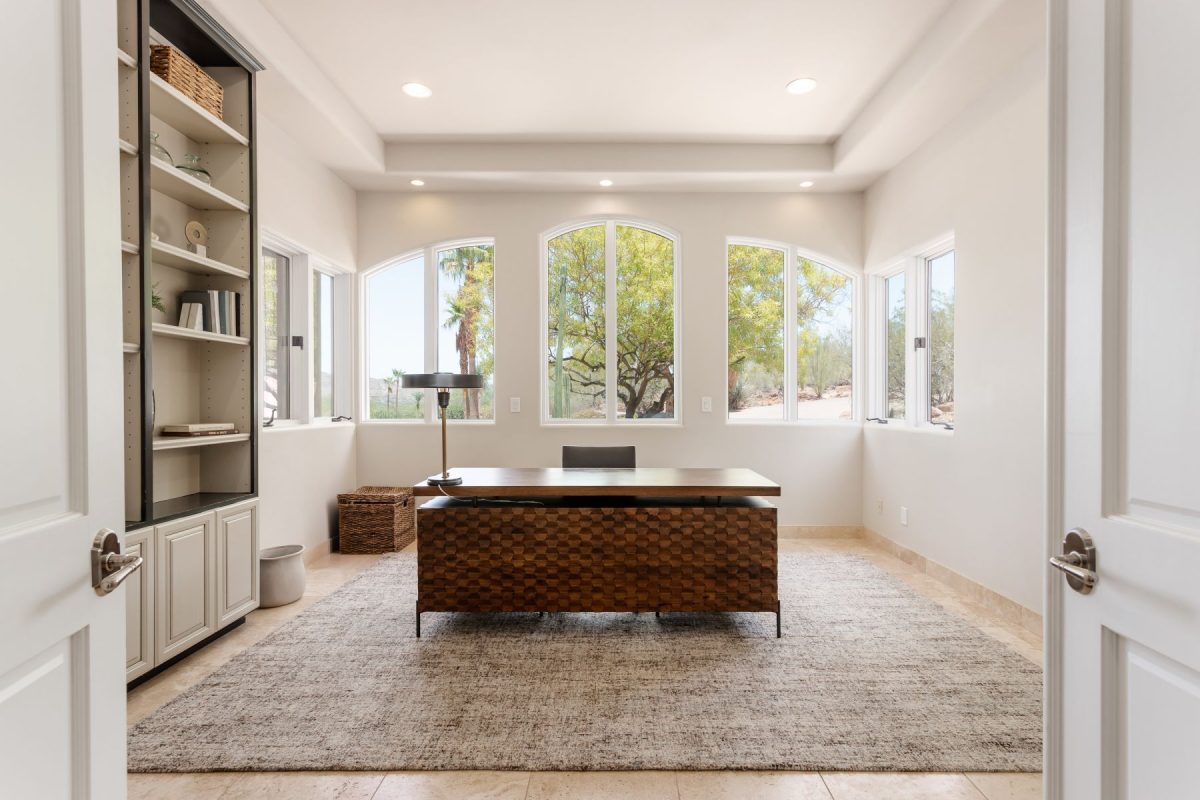
Reliable, fast internet. This is non-negotiable for a business traveler or a remote team running video calls. A dedicated workspace with a real desk and a chair that doesn’t wreck your back goes a long way too.
Space to gather and work. For retreats, a dining table or living area that can comfortably seat the group, plus a separate space for meetings or breakout sessions, sets a property apart from a typical vacation rental layout built for lounging.
A functional, fully equipped kitchen. Extended-stay guests are cooking real meals, not just reheating takeout. Full-size appliances, real cookware, and pantry basics matter more here than they do for a three-night booking.
In-unit laundry. For a stay measured in weeks rather than days, this moves from “nice to have” to a “deciding factor.”
Comfortable, durable furnishings. Furniture that looks good in photos but wasn’t built for daily use over months will show wear fast, and extended-stay guests will notice and mention it in reviews.
Flexible, group-friendly bedroom configurations. Multiple bedrooms with quality beds (not one primary suite and a stack of air mattresses) make a property viable for teams and families relocating together.
Owners who furnish and market with this guest in mind are positioning their home for a segment that most of the market is ignoring.
Setting Clear Expectations From the Start
Longer stays and group bookings carry more complexity than a standard weekend rental, which means expectations need to be spelled out clearly before a guest ever checks in. This protects your property and sets your guests up for a smooth stay.
A few things worth addressing directly in your listing, lease, or pre-arrival communication:
- Occupancy and guest limits. Be specific about how many people are staying, especially for group and retreat bookings, so the property isn’t overloaded beyond what it’s designed to accommodate.
- Workspace and noise expectations, particularly if the home will host calls, meetings, or a working group during business hours.
- Cleaning cadence. Will housekeeping come weekly? Biweekly? Is it included, or an add-on? Extended-stay guests need to know upfront.
- Utilities and amenities usage, especially for stays long enough that things like a pool, hot tub, or grill see regular wear and need clear guidelines.
- Property care standards, so guests understand what’s expected of them if they’re effectively living in the home for weeks or months.
Vague expectations are where longer stays go wrong. Clear ones are what make them repeatable, referable, and profitable.
What Happens to Your Home Halfway Through a Two-Month Stay?
Setting expectations upfront only goes so far, though. A three-night guest is in and out before small issues become big ones. A guest staying for six weeks is a different story. Longer stays mean more day-to-day wear, more time for a maintenance issue to go unnoticed, and more opportunity for a small problem to grow into an expensive one.
That’s exactly why a mid-stay inspection program matters, and why it’s built into how we manage extended stays at GoodNight Stay. Rather than waiting until checkout to find a leak, a broken appliance, or an issue with how the property is being used, our team checks in on the property partway through longer stays. This does a few important things at once:
- Catches maintenance issues early, before they turn into costly repairs or a bad guest experience
- Confirms the property is being used and cared for as expected
- Gives us a natural touchpoint to check in with the guest and address anything before it becomes a review
- Protects the owner’s asset over the full length of a longer, higher-value booking
For owners considering extended stays or corporate bookings for the first time, this is one of the biggest differences between managing them well and managing them reactively. It’s also a good question to ask any property manager you’re evaluating: what happens to your home between check-in and checkout on a two-month stay?
Balancing Short-Term, Mid-Term, and Long-Term Stays for Maximum Revenue
None of this means abandoning short-term leisure bookings. It means not leaving revenue on the table by only chasing one type of guest.
The strongest revenue strategy for most properties isn’t “all short-term” or “all corporate housing.” It’s a deliberate mix, calibrated to the specific property, market, and season. A ski chalet might make sense as a weekend rental in peak season and a month-long stay for a remote worker in the off-season. A property near a business corridor might do well with corporate groups during the week and leisure travelers on weekends. A home in a slower secondary market might perform best anchored by one or two extended stays a year, supplemented with short-term bookings around them.
At GoodNight Stay, this is the core of how we manage revenue: we look at each property individually and strategically balance short-term, mid-term, and long-term bookings to maximize what that specific home can earn, rather than defaulting to whatever booking pattern is easiest to fill. That might mean locking in a corporate retreat during a historically slow month, structuring a 30-plus night stay to smooth out a seasonal dip, or reserving peak weekends for premium nightly rates while filling shoulder season with mid-term guests.
Is Your Property Ready to Capture This Demand?
Corporate retreats and extended stays aren’t a replacement for leisure bookings. They’re a largely untapped layer of revenue sitting on top of a market where almost everyone is competing for the same short-stay guest. The owners and properties positioned to capture it, with the right amenities, clear expectations, and a management partner who actively monitors the property throughout longer stays, are the ones building more resilient, more profitable STR businesses.
Whether you’re managing your property yourself, considering a switch to a new management company, or exploring your first short-term rental investment, it’s worth asking whether your current strategy accounts for this demand at all.
If you’d like to talk through how your property could be positioned for corporate retreats, extended stays, or a smarter mix of booking types, contact us today to learn how we approach revenue strategy property by property.
