

Not every design upgrade requires a six-figure budget or a gutted floor plan. Some of the most profitable changes come from the smallest ones: a new paint color, a well-placed mirror, a hardware swap. The trick isn’t spending more. It’s spending smarter, on the details that guests actually notice and that directly influence how they book, review, and rebook.
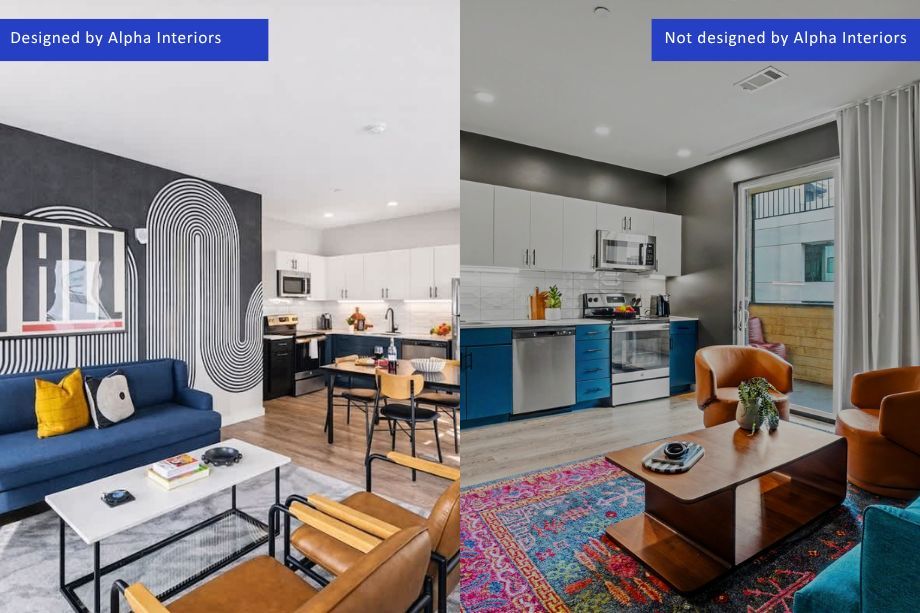
The proof is close to home. In Nashville, GoodNight Stay manages two units in the same building with identical bed and bath counts, similar layouts, and comparable pricing potential. One was designed by Alpha Interiors, GoodNight Stay’s in-house design team. The other wasn’t. The Alpha-designed unit outperformed its twin by 253% in revenue.
Same building. Same square footage. Same guest pool. The only real variable was design. That gap is clear evidence that thoughtful design isn’t a “nice to have.” It’s one of the highest-leverage investments a property owner can make, and it doesn’t always require a major renovation to see results.
If you’re planning a refresh and wondering where to start, here are the simple, often-overlooked changes that consistently move the needle.
1. Repaint With Intention
A fresh coat of paint is one of the most low-cost updates you can make, and one of the most impactful. Dated wall colors (think builder-grade beige or heavy, dark accent walls from a previous era) can make even a well-furnished space feel tired in photos.
Stick to warm, light neutrals in main living areas to keep rooms feeling bright and photograph well in almost any lighting. Then use color with purpose: a moody accent wall behind a bed frame, a bold hue in a powder room, or a saturated tone on a piece of trim can create a memorable focal point without overwhelming the whole space. The goal is a palette that feels intentional, not accidental.
2. Swap Out Hardware and Fixtures
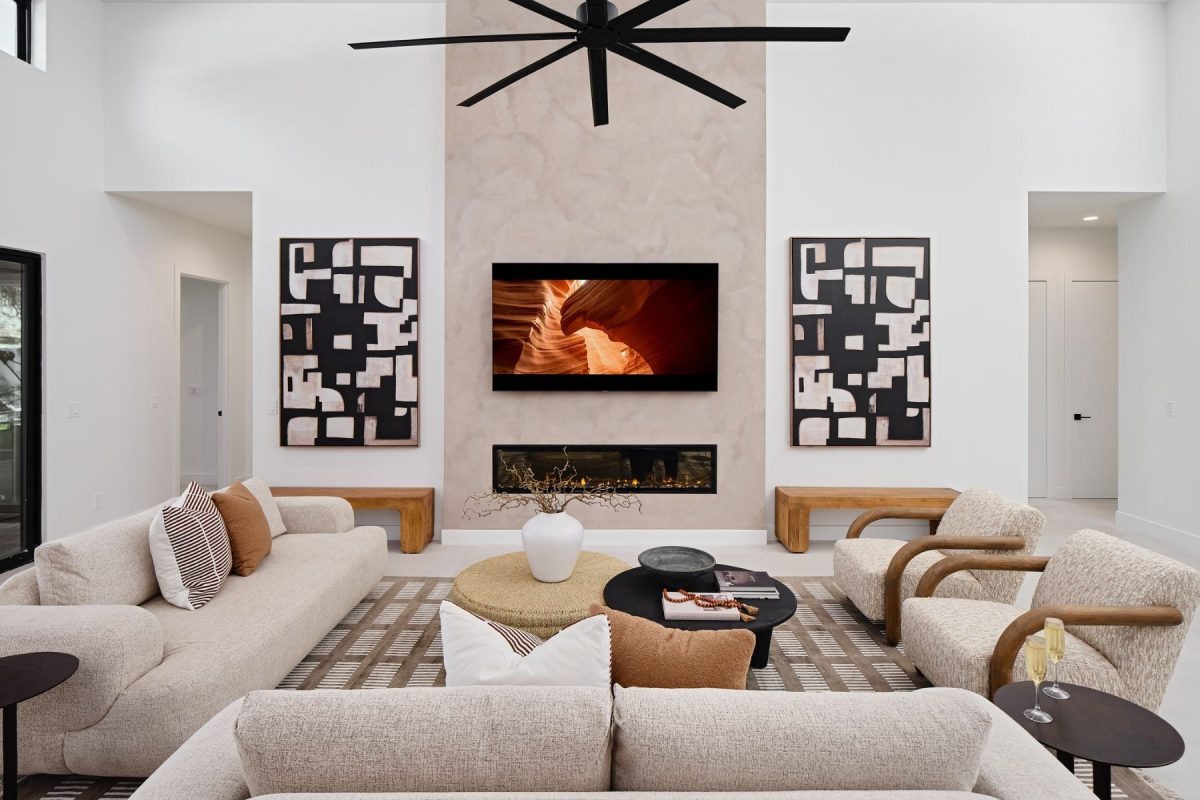
Cabinet pulls, faucets, light switch plates, and door handles are small details, but they’re the kind of small details guests subconsciously register as “cared for” or “cheap.” Builder-grade brass or plastic hardware instantly dates a kitchen or bathroom, even if the cabinets themselves are in great shape. Updating to a cohesive finish (matte black, brushed gold, or brushed nickel, depending on your design direction) is one of the fastest facelifts available. It’s a weekend project with an outsized visual return, and it rarely requires touching plumbing or electrical.
3. Bring in a Statement Rug
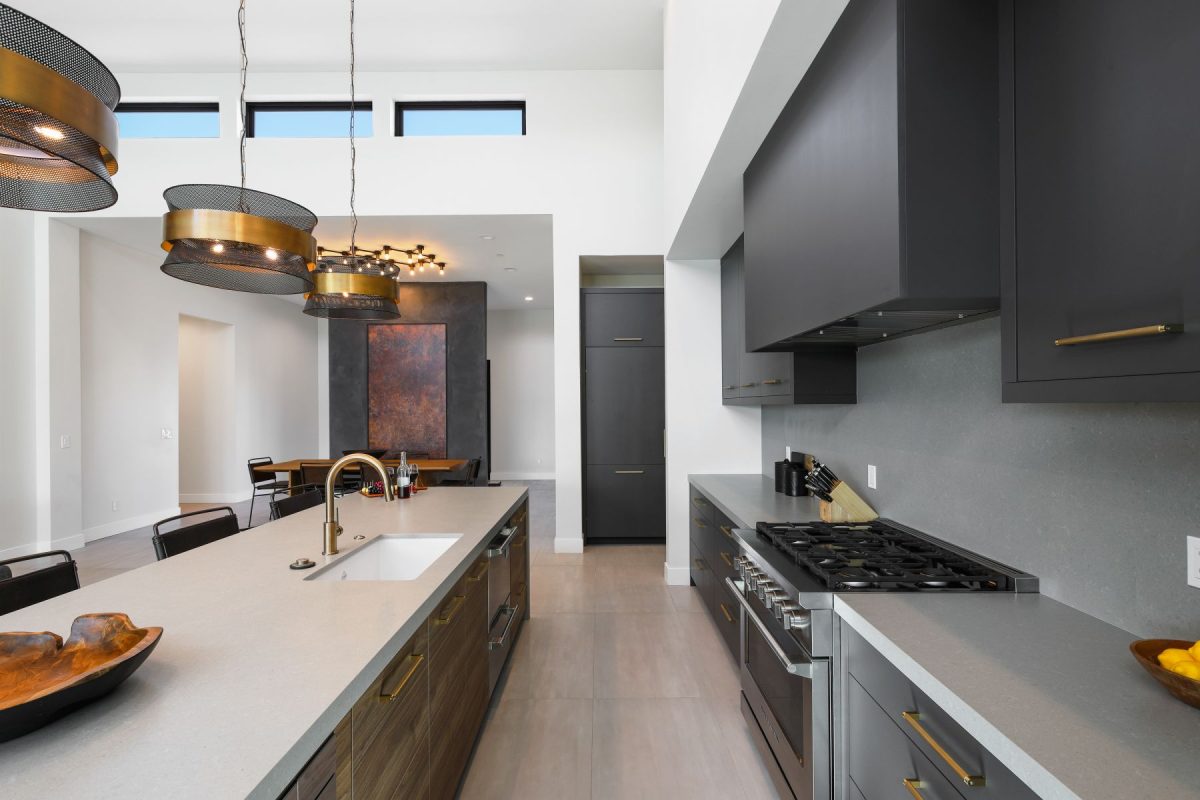
An empty hardwood or tile floor can make a living room or bedroom feel unfinished, no matter how nice the furniture is. A well-chosen area rug grounds the room, adds warmth underfoot, and gives your design a clear point of view. This is also a low-risk way to introduce pattern or color if your furniture is more neutral. Just make sure it’s a durable, easy-to-clean material built for high guest turnover, not a delicate weave meant for a primary residence.
4. Hang Mirrors Strategically
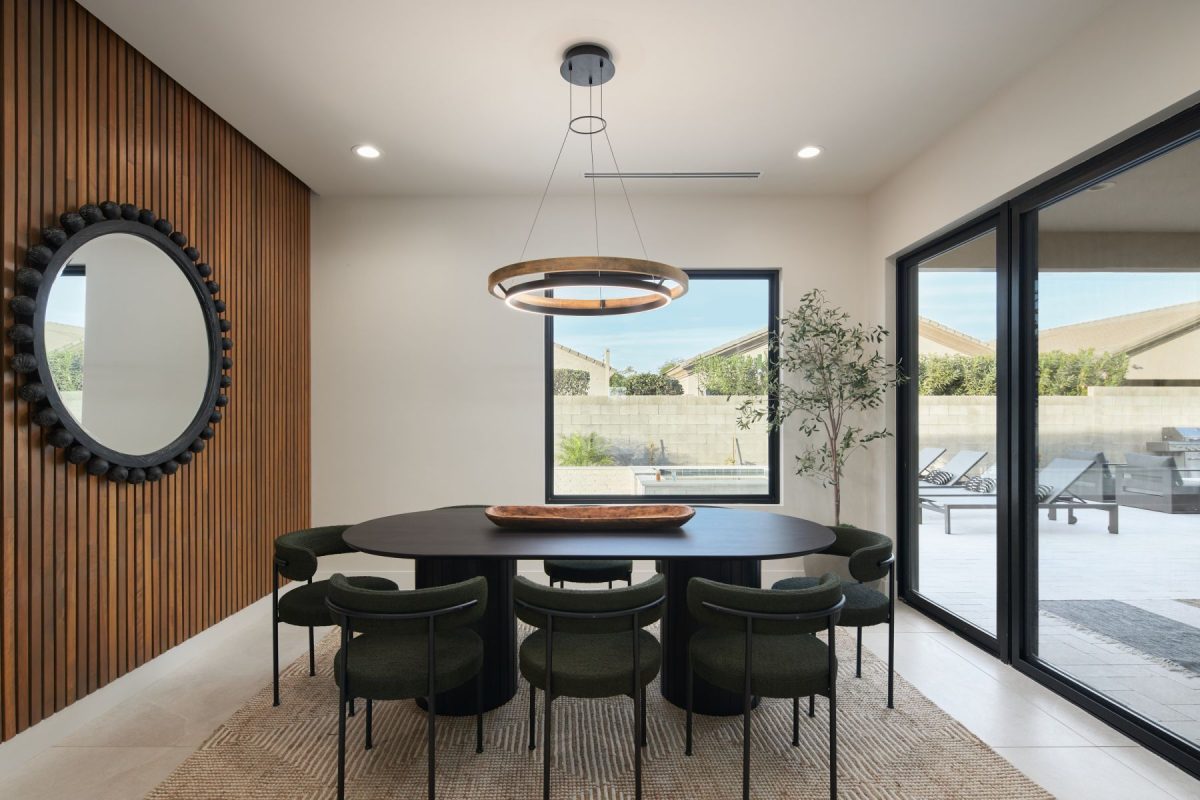
Mirrors do double duty: they make a space feel larger and brighter, and they give guests another reason to stop and take a photo. A large mirror placed opposite a window bounces natural light deeper into a room. In smaller bedrooms or entryways, an oversized mirror can create the impression of more space without changing the layout.
This is especially useful in units where layout changes aren’t an option. You can’t always add square footage, but you can make the spaces feel more open and spacious.
5. Curate a Gallery Wall or Local Art
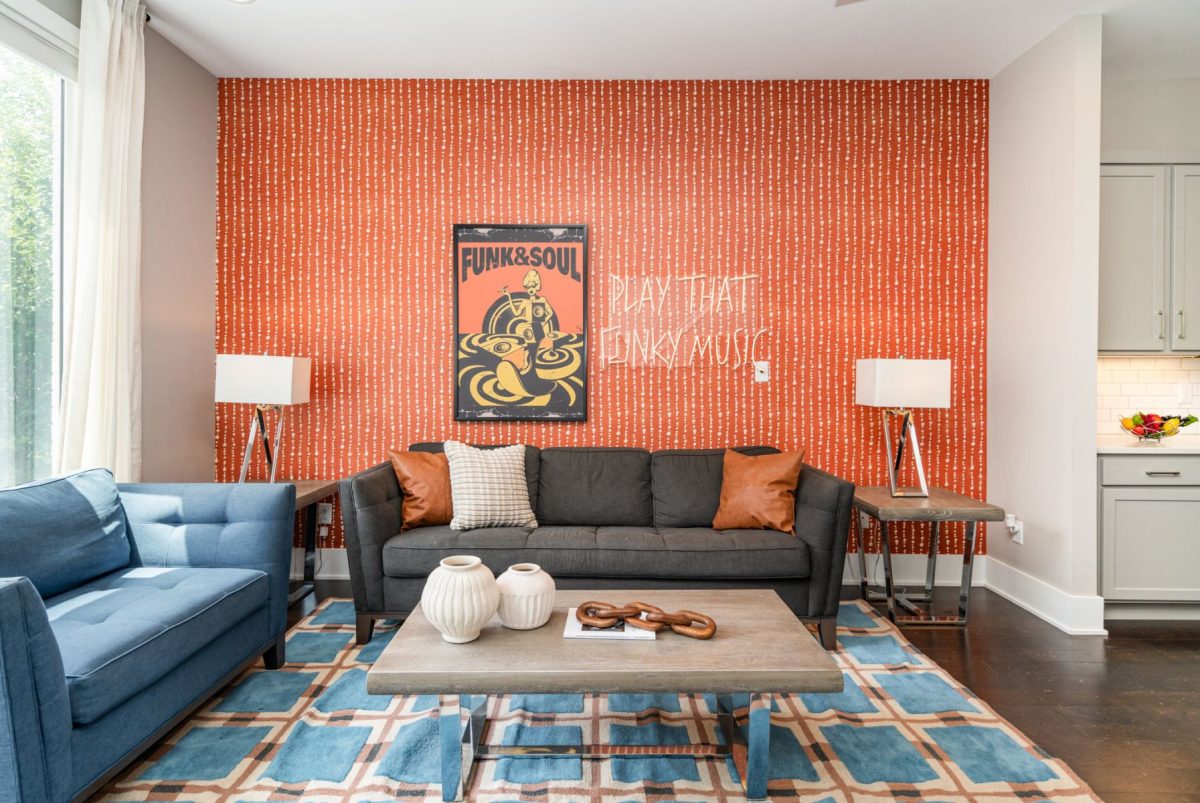
Blank walls are a missed opportunity. A curated gallery wall, whether it’s local artwork, city-specific prints, or a themed collection, gives guests a sense of place and something visually interesting to encounter in every room. It also reinforces the story your property is telling, whether that’s a Nashville music theme or a desert-modern retreat.
Skip generic stock art. Guests notice when a piece feels like it was chosen specifically for that home versus pulled from a big-box clearance rack.
6. Upgrade Window Treatments
Thin, mismatched, or dated curtains are an easy tell that a property hasn’t been refreshed in a while. Layered window treatments (a sheer for daytime softness paired with a blackout liner for sleep) improve both the look and functionality of a room. Blackout curtains in particular are a small addition that consistently shows up in guest reviews, especially for bedrooms.
7. Add Greenery, Real or Faux
A few well-placed plants soften a space and make it feel lived-in rather than staged. If your property doesn’t have someone checking in between stays to water plants, high-quality faux greenery is a practical alternative that still adds warmth without the maintenance risk.
Even a single large plant in a living room corner or a small arrangement on a dining table can shift a space from sterile to welcoming.
8. Edit Before You Add
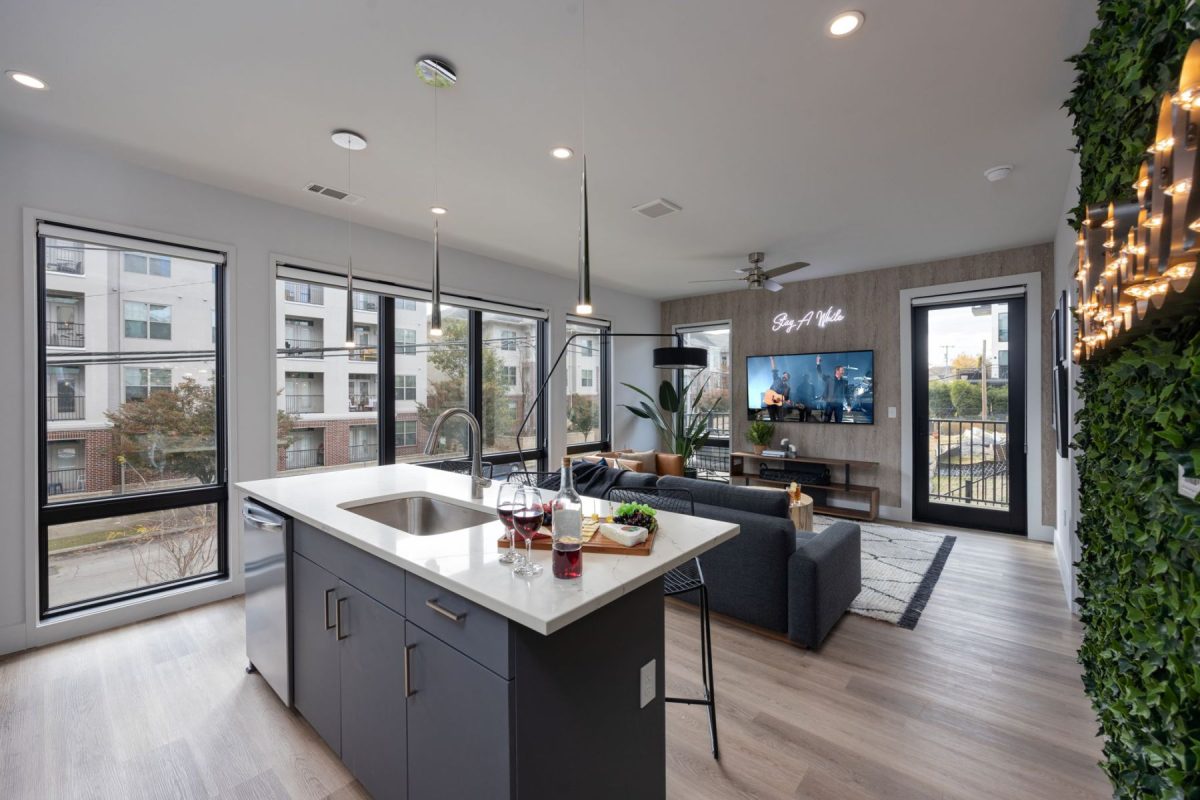
Sometimes the highest-impact “design change” is subtraction. Decluttering excess furniture, mismatched decor, or leftover items from a previous use of the home instantly sharpens a space. A room with fewer, better pieces almost always photographs better and feels more intentional than a room packed with extras.
Before your next refresh, walk through the property and ask what’s earning its place versus what’s just taking up space.
9. Don’t Overlook the Entryway
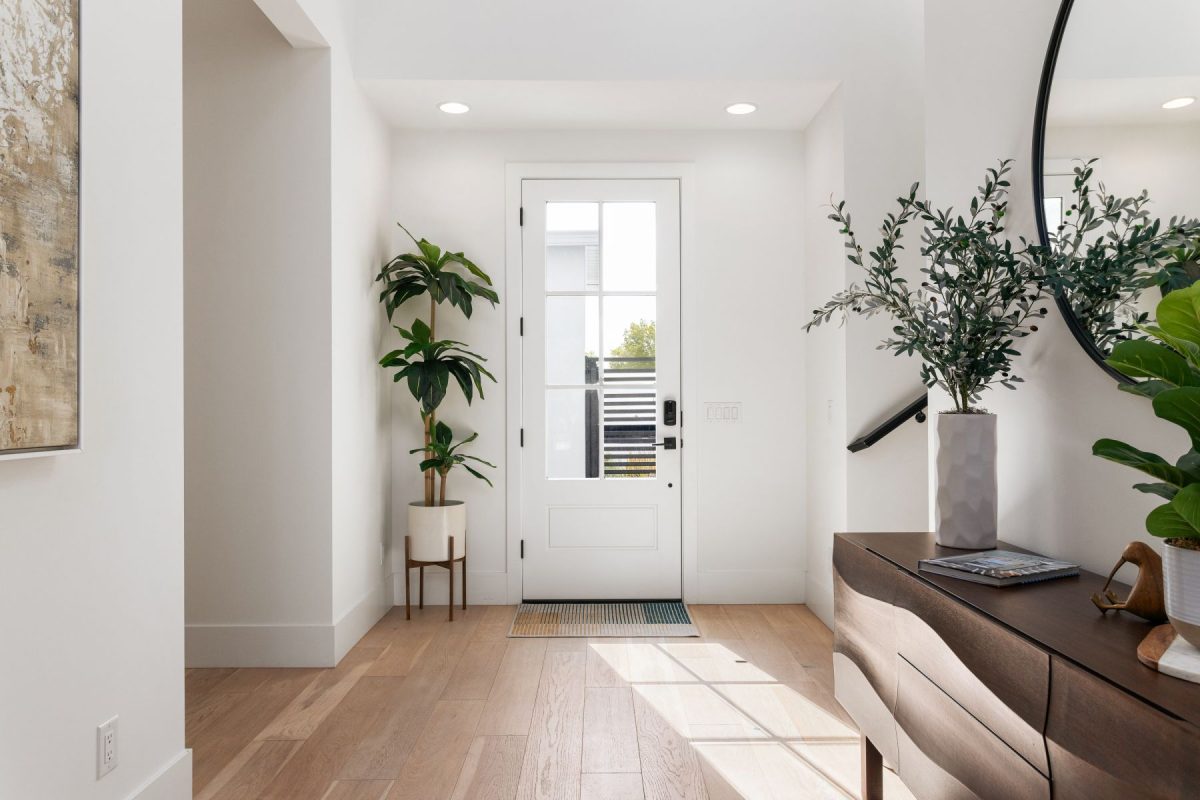
First impressions start before a guest ever steps inside. A worn welcome mat, outdated house numbers, or a poorly lit front door can undercut an otherwise beautifully designed interior. A clean entry with updated exterior lighting, fresh house numbers, and a simple potted plant sets the tone before the door even opens. It’s also one of the first areas guests see, and often photograph when they arrive.
10. Add One Memorable Hospitality Touch
You don’t need a full bar cart or coffee nook overhaul. One well-designed touch, like a curated coffee station, a small welcome tray, or a styled bookshelf, gives guests something specific to remember and mention in reviews. These details are inexpensive relative to their impact on guest perception and word-of-mouth.
The Bigger Picture
None of these changes require a contractor, a permit, or a months-long timeline. They’re the kind of updates a property owner can plan around a slow season and execute in a matter of days. But small doesn’t mean insignificant. The Nashville case study, where identical units posted a 253% revenue gap based on design alone, is proof that guests respond to details long before they respond to square footage or amenities.
If a property feels “fine” but isn’t converting the way an owner hoped, it’s worth asking whether design is the missing piece. Alpha Interiors, GoodNight Stay’s in-house design team, identifies the highest-leverage changes for each property and market, whether that’s a full refresh or a handful of targeted swaps. And if a few small swaps end up sparking bigger ideas, the earlier posts on why design can make or break your vacation rental and how to make your rental pop in a crowded market are the next place to look.
Ready to see what a design refresh could do for your revenue? Reach out to Alpha Interiors to talk through where your property stands and where a few simple changes could take it.
