

What Scottsdale Vacation Rental Owners Should Know
June reflected the seasonal slowdown typical of the Scottsdale short-term rental market as the region moved deeper into the desert summer. Occupancy declined from both last year and May as higher temperatures continued to temper leisure travel demand, a pattern owners have come to expect every June.
Even with softer demand, ADR held well above prior-year levels across most home sizes, even though rates cooled from May’s spring peak. Booking behavior also extended in several segments, with guests planning larger group stays well in advance, while smaller homes saw shorter, more last-minute booking windows. For Scottsdale vacation rental owners, June is a reminder that pricing discipline and strong listing visibility matter most when demand naturally softens.
June 2026 Snapshot: Scottsdale STR Market Performance
Here’s how the Scottsdale vacation rental market performed in June:
- Occupancy: 37.5%, down from 40.7% last year and 43.7% in May 2026
- Average Daily Rate (ADR): $291, up from $242 last year but down from $370 in May
- RevPAR: $109, up from $99 last June but below $162 in May
- Average Booking Window: 61 days, extending well beyond last year’s 48 days and largely in line with 63 days in May
Overall, June reflects Scottsdale’s typical summer demand pattern, with lower occupancy offset by pricing that remains stronger than last year. The seasonal dip in RevPAR is expected this time of year, and the extended booking window compared to last June suggests travelers are still planning ahead even as the market cools.
Performance Breakdown by Home Size
7-Bedroom Homes: Premium Pricing Holds Through the Slowdown

Scottsdale’s 7-bedroom homes saw occupancy decline both year-over-year and from May as the market moved deeper into its off-season. ADR eased slightly from last year and pulled back more noticeably from May’s peak, though rates remained the highest of any segment by a wide margin. RevPAR softened on both comparisons as a result. Booking windows extended to 106 days, the longest in the market, showing that guests booking premium group homes continue to plan well ahead of arrival. Overall, this segment continues to outperform the broader market even through the seasonal slowdown.
6-Bedroom Homes: Flat Occupancy, Softer Rates

6-bedroom homes held occupancy flat year-over-year but saw a significant pullback from May’s stronger spring performance. ADR declined on both comparisons, pulling RevPAR down as well. Booking windows extended to 87 days, ahead of both last year and May, suggesting group travelers are still committing to Scottsdale trips well in advance despite the softer month-over-month numbers. Overall, this segment is moving through the expected midsummer moderation seen across larger Scottsdale homes.
5-Bedroom Homes: Strong Rate Growth Cushions Seasonal Softening

The 5-bedroom segment saw occupancy decline from both last year and May, reflecting the usual pullback in group travel during Scottsdale’s hottest months. ADR, however, posted strong year-over-year growth even with a significant seasonal step back from May, and RevPAR stayed only slightly below last June’s level. Booking windows extended meaningfully to 90 days versus last year and held steady against May. Overall, this segment shows healthy underlying pricing power even as summer demand moderates.
4-Bedroom Homes: Typical Summer Moderation

4-bedroom homes saw a slight year-over-year dip in occupancy and a more noticeable decline from May. ADR grew modestly year-over-year but eased significantly from May’s spring pricing. RevPAR softened slightly compared to last June and fell more from May. Booking windows held steady at 61 days, largely in line with last year. Overall, this segment is tracking Scottsdale’s typical seasonal pattern, with performance depending increasingly on competitive pricing and visibility as demand cools.
3-Bedroom Homes: Relative Resilience Versus Last Year

3-bedroom homes bucked the broader trend slightly, with occupancy improving year-over-year even as it eased from May’s stronger levels. ADR held roughly flat compared to last year but declined notably from May, and RevPAR improved year-over-year despite the seasonal pullback from spring. Booking windows shortened to 42 days, shorter than both last year and May, pointing to more last-minute booking behavior. Overall, this segment is showing relative resilience, with pricing strategy key to holding onto those year-over-year gains.
2-Bedroom Homes: Steady but Increasingly Last-Minute

The 2-bedroom segment saw a slight year-over-year improvement in occupancy, though it declined from May’s stronger performance. ADR increased from last year but eased from May, and RevPAR improved modestly on both fronts. Booking windows shortened significantly to 21 days, well below May’s 35 days, signaling a clear shift toward last-minute booking decisions during the slower summer months. Overall, this segment continues to hold up reasonably well, but flexible stay requirements and strong visibility will matter more as booking windows compress.
Key Takeaways:
- Scottsdale’s overall occupancy softened as the market entered its typical summer off-season
- ADR remained above prior-year levels across nearly every home size, even as rates cooled from May
- Larger homes (7-bedroom, 6-bedroom, 5-bedroom) are absorbing the bulk of the seasonal occupancy decline
- Smaller and mid-sized homes (3-bedroom and 2-bedroom) showed relative year-over-year resilience
- Booking windows extended for larger group homes, while smaller homes are seeing shorter, more last-minute bookings
- Premium 7-bedroom homes continue to command the highest rates and longest planning horizons in the market
- Pricing discipline remains essential as the market moves through its slowest stretch of the year
- Strong listing visibility and flexible stay requirements are increasingly important for capturing last-minute demand
What’s Shaping Traveler Behavior & Economic Trends
Several macroeconomic indicators continue to shape how travelers are booking Scottsdale stays this summer.
Consumer confidence ticked up to 91.2 in June 2026, improving from 90.6 in May, while consumer sentiment also strengthened to roughly 60.7 as inflation expectations eased. Even so, travelers remain selective and continue to prioritize value when booking discretionary trips. Inflation sat near 3.1% year-over-year in May, a slight increase from April and still above the Federal Reserve’s target, which keeps travelers price-conscious as they plan vacations.
On the cost side, national gas prices stayed below $4.00 per gallon and declined further during June, offering some relief for drive-market travelers and supporting regional leisure trips. The labor market also held relatively steady, with unemployment easing to 4.2% from 4.3% in May, continuing to support discretionary travel despite slower hiring. Meanwhile, geopolitical conditions tied to Middle East tensions grew more stable compared to May, though travelers are still booking cautiously and favoring flexibility and overall trip value.
Owner Takeaway
The broader economic environment continues to stabilize, which helps support travel demand even as Scottsdale moves through its slowest season of the year. Improving consumer confidence, easing fuel prices, and a healthy labor market all point to continued interest in discretionary travel, though guests remain value-conscious and continue to compare pricing before booking.
For owners, this combination of seasonal softness and a steadier economic backdrop makes pricing discipline and listing visibility more important than ever. Homes that stay competitively positioned and responsive to short-term demand shifts will be best equipped to capture available bookings through the rest of the summer.
Looking Ahead: July 2026 Outlook for Scottsdale STRs
As Scottsdale moves further into peak summer heat, demand is expected to remain seasonally subdued, with high temperatures continuing to limit leisure travel across the market. While booking activity is likely to stay below spring levels, the market continues to attract value-conscious travelers seeking premium accommodations at more competitive rates.
Larger homes are expected to maintain a relative performance advantage, supported by family gatherings, group travel, and extended stays, while mid-sized and smaller homes may continue to see greater pricing pressure and shorter booking windows. Last-minute reservations are also expected to play an increasingly important role in driving occupancy during the slower summer months.
Given the seasonal environment, maintaining competitive pricing, flexible stay requirements, and strong listing visibility will remain essential to capturing available demand. Strategic revenue management and timely pricing adjustments can help maximize occupancy while preserving long-term rate positioning.
Overall, July is expected to follow Scottsdale’s typical seasonal demand pattern, with softer booking activity continuing through the summer before travel demand gradually begins to improve heading into the fall. Homes that stay competitively positioned and respond quickly to changing booking trends will be best placed to maximize performance through the rest of the off-season.
Improving Performance in Your Scottsdale Vacation Rental
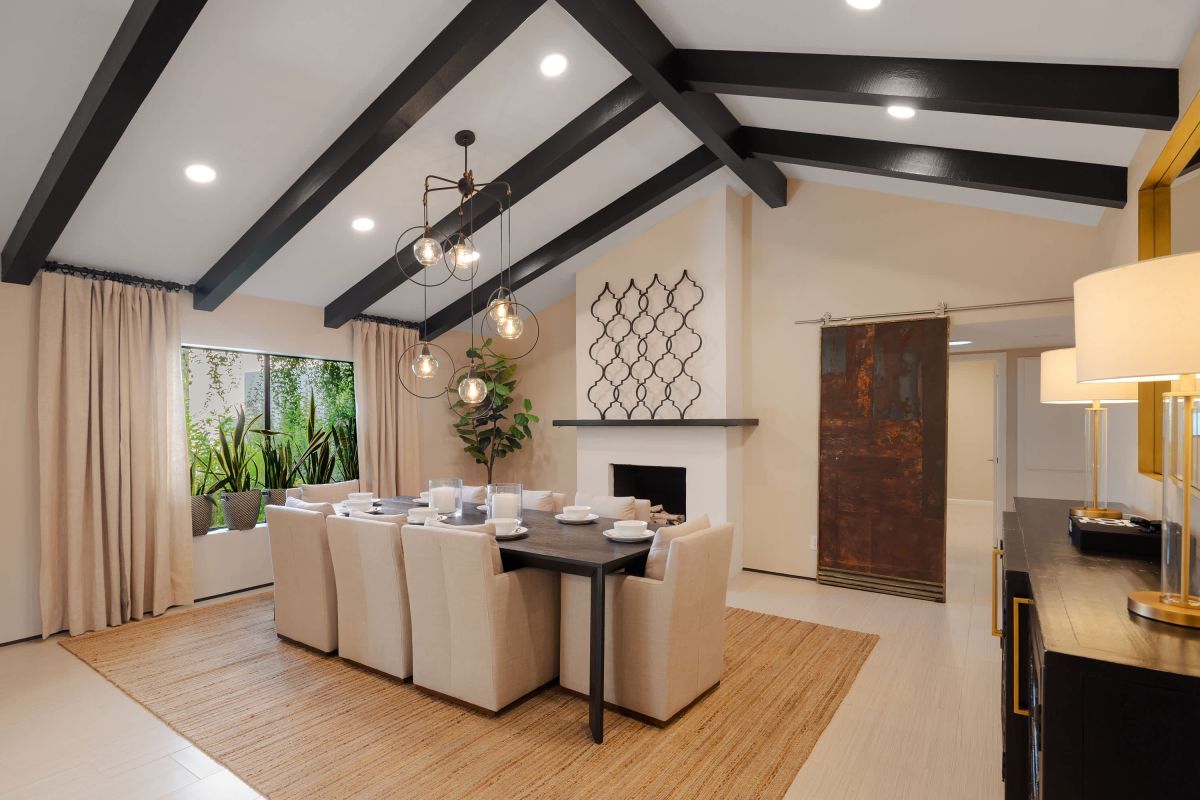
As Scottsdale moves through its slowest stretch of the year, small adjustments in pricing, presentation, and listing visibility can make a meaningful difference, especially in segments like 4-bedroom and 6-bedroom homes where the seasonal pullback is most pronounced.
This off-season window is also a good time to prepare for the demand recovery later in the year. Strengthening your property’s presentation, highlighting resort-style amenities, and staying responsive to shorter booking windows all help keep your home competitive while demand is soft.
If you own a Scottsdale vacation rental, or you’re considering buying one, and want a more hands-off way to navigate the summer slowdown, connect with our Arizona property management team to learn how GoodNight Stay can help your home outperform the market.
